Cyber Monday: the specs to check before you buy
Comparison
Updated November 22, 2026iPhone vs Android: Charging, USB-C, Accessories and Switching Compared
Short answer
Every current iPhone, Samsung Galaxy S and Google Pixel uses USB-C for charging and data. They are more similar than ever on the physical connector, but they diverge on charging speed, data transfer rates, wireless accessory ecosystems and the tools for moving your data between platforms. Below is a side-by-side comparison of the current iPhone line against the Samsung Galaxy S26 series and Google Pixel 11 Pro XL, based on specs from each maker's product pages and support documentation. For the charger each maker sells, see our best iPhone charger and best Samsung Galaxy charger guides.
We may earn a commission when you buy through links on this page. As an Amazon Associate, thisUSB earns from qualifying purchases. How we earn
Our picks at a glance
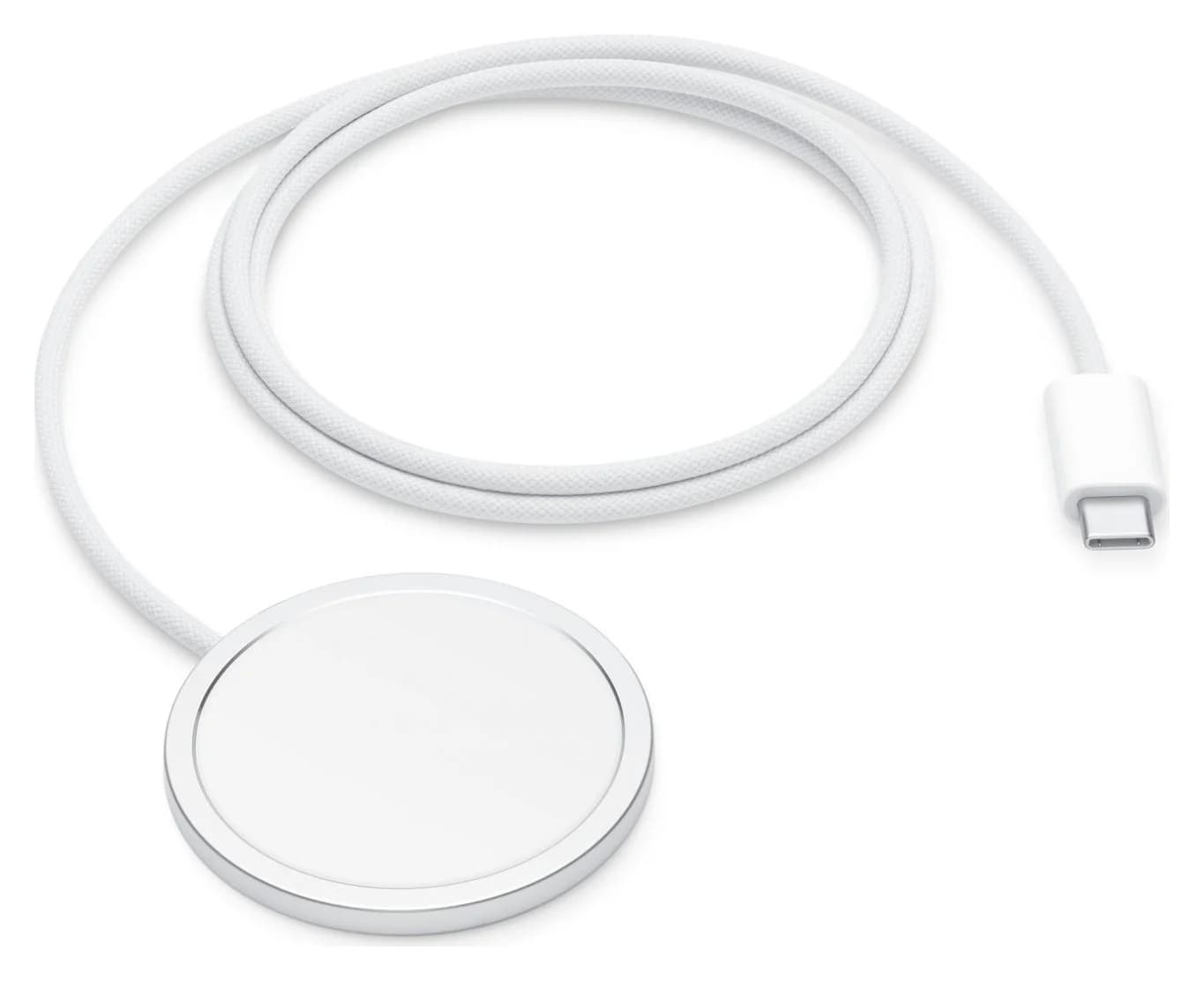
Best iPhone wireless chargerApple
Apple MagSafe Charger (1 m, Qi2 25W, 2025)
- max output
- 25W
- Choose
- Apple's Qi2 MagSafe Charger delivers up to 25W wireless charging on the iPhone 18 Pro, 18 Pro Max, Duo and 17 with a 30W adapter or higher (Apple asks for 35W or higher for its 50%-in-30-minutes figure on the 18 Pro models and Duo).
- Limit
- No power adapter in the box; 25W needs a 30W or greater adapter (15V/2.0A), or 35W+ for the iPhone 18 Pro's and Duo's quoted times
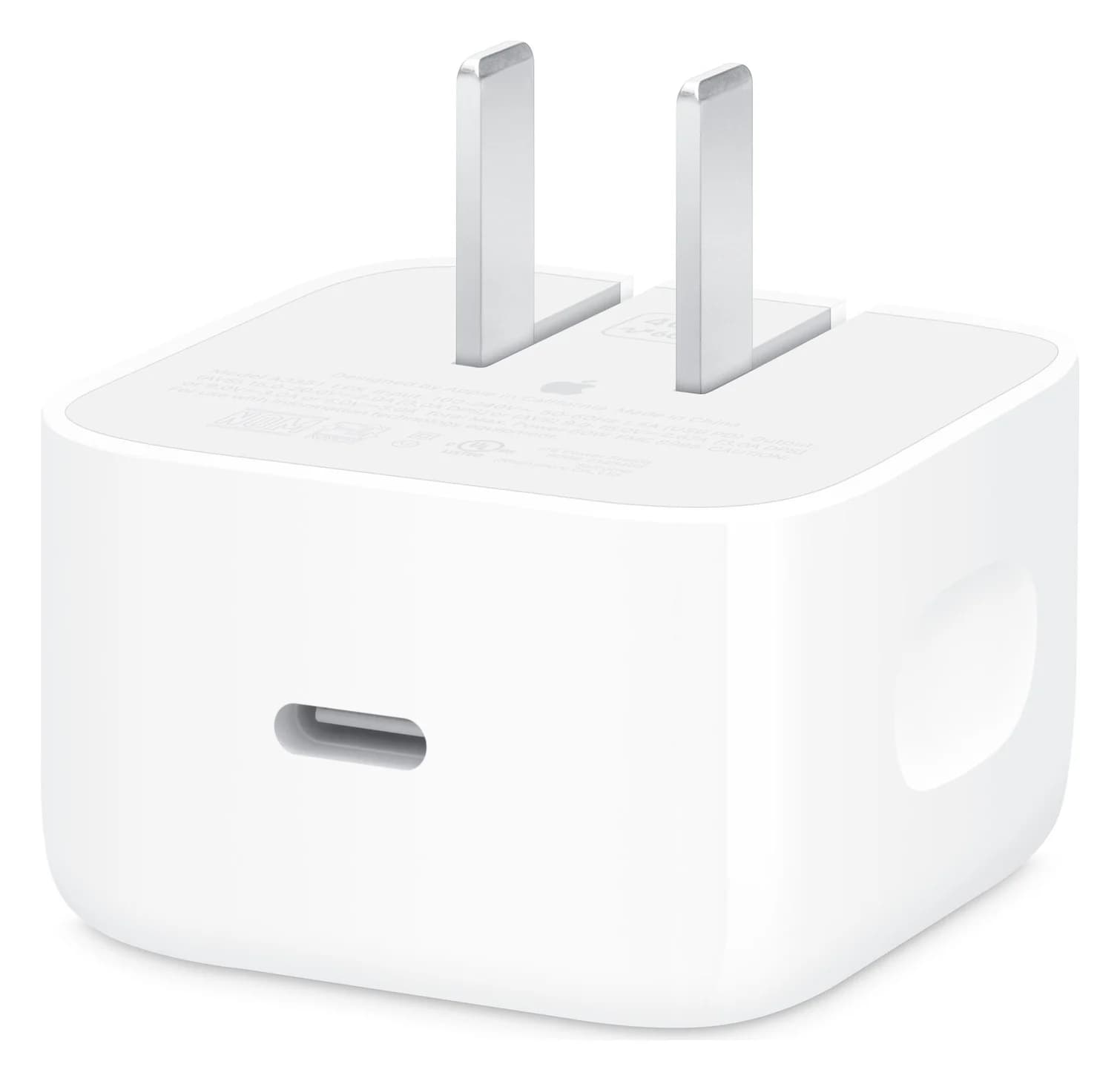
Fastest wired charging for iPhoneApple
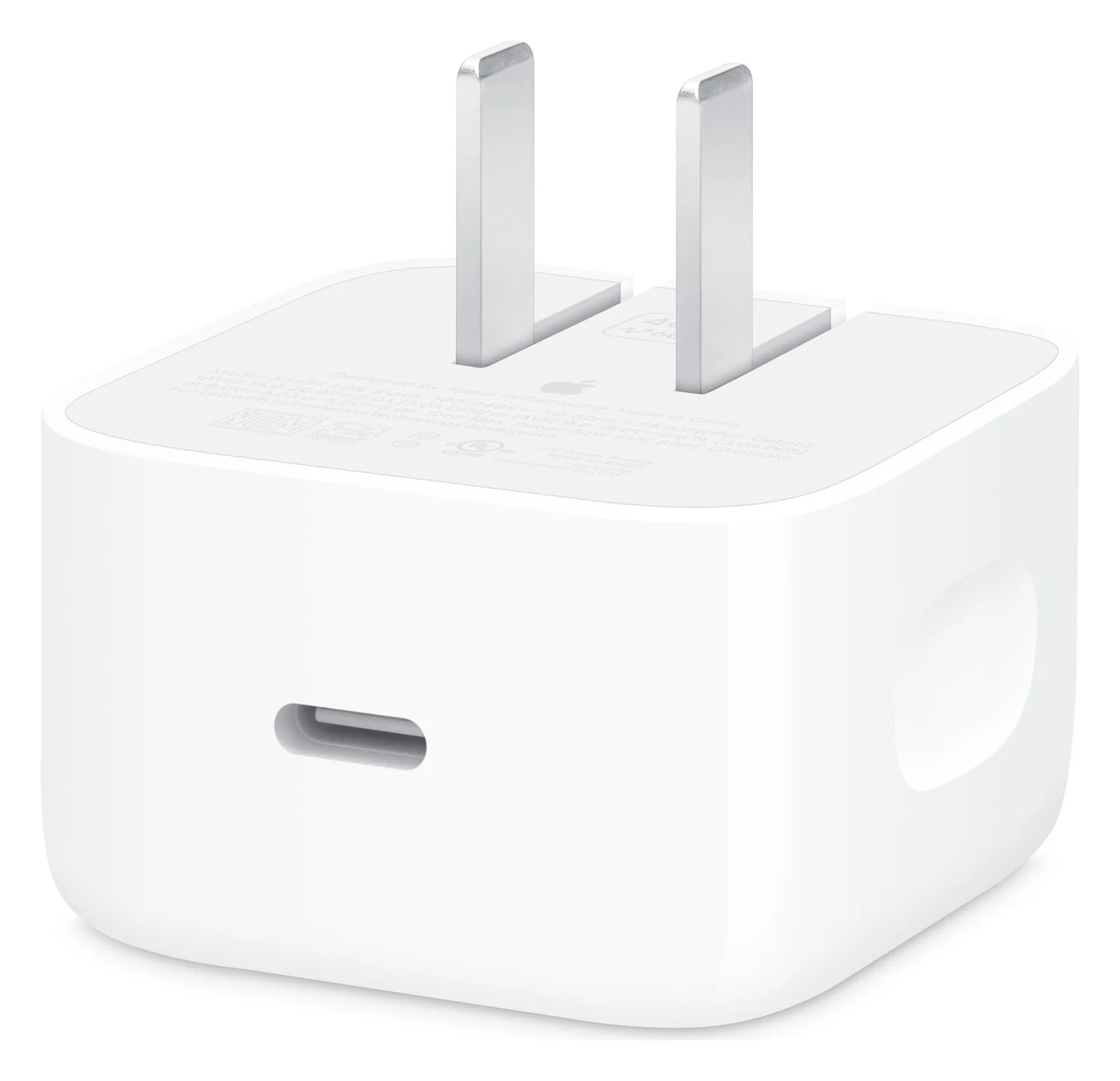
Apple 40W Dynamic Power Adapter with 60W Max
- max output
- 40W
- port
- 1
- Choose
- Apple's 40W Dynamic Power Adapter with 60W Max, paired with the USB-C cable from the iPhone box or another 60W-capable USB-C cable, is the fastest way to charge current iPhones — reaching 50% in around 15 minutes on the iPhone 18 Pro.
- Limit
- Single USB-C port, so one device at a time
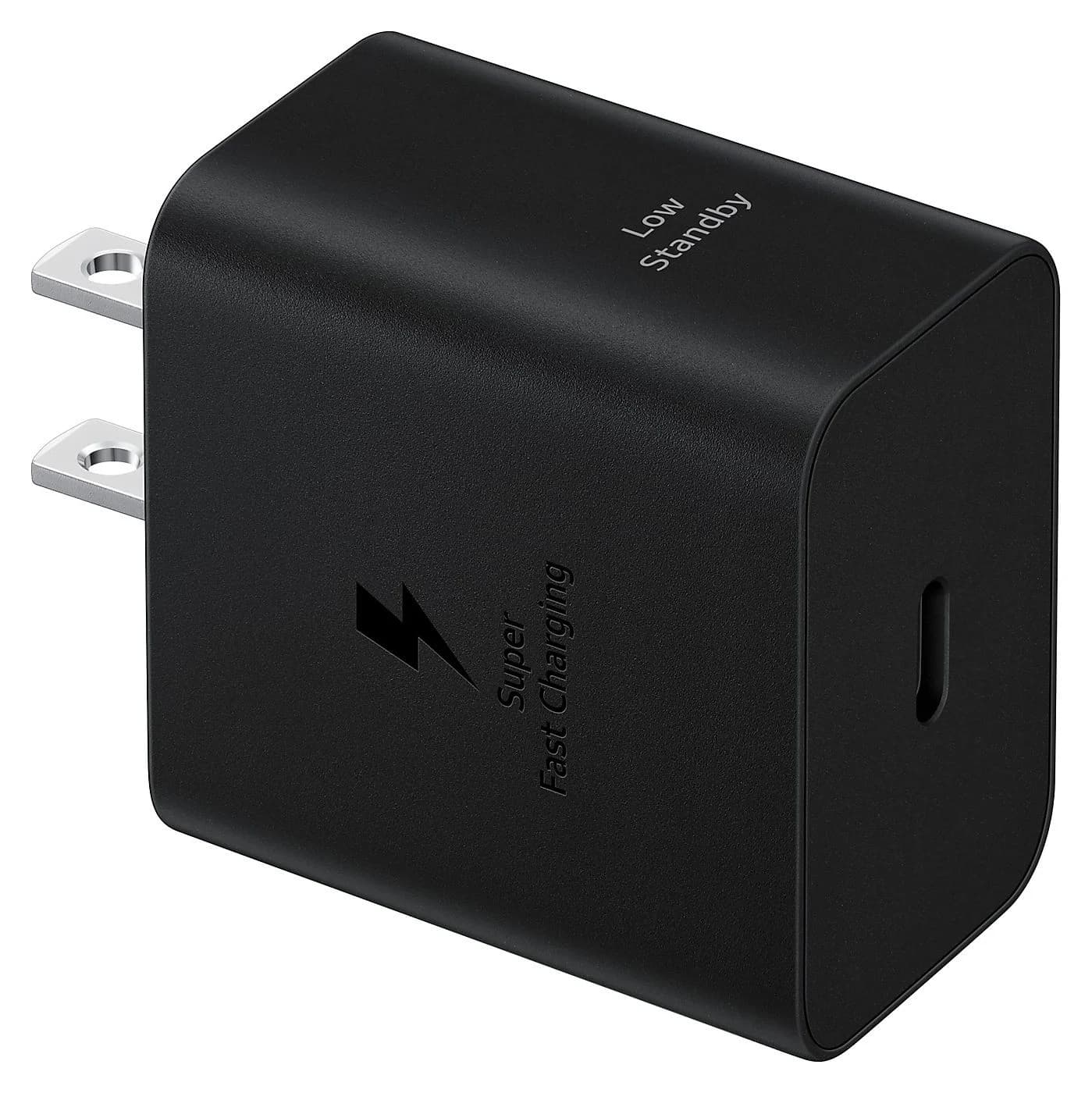
Fastest wired charging for Galaxy S26+Samsung
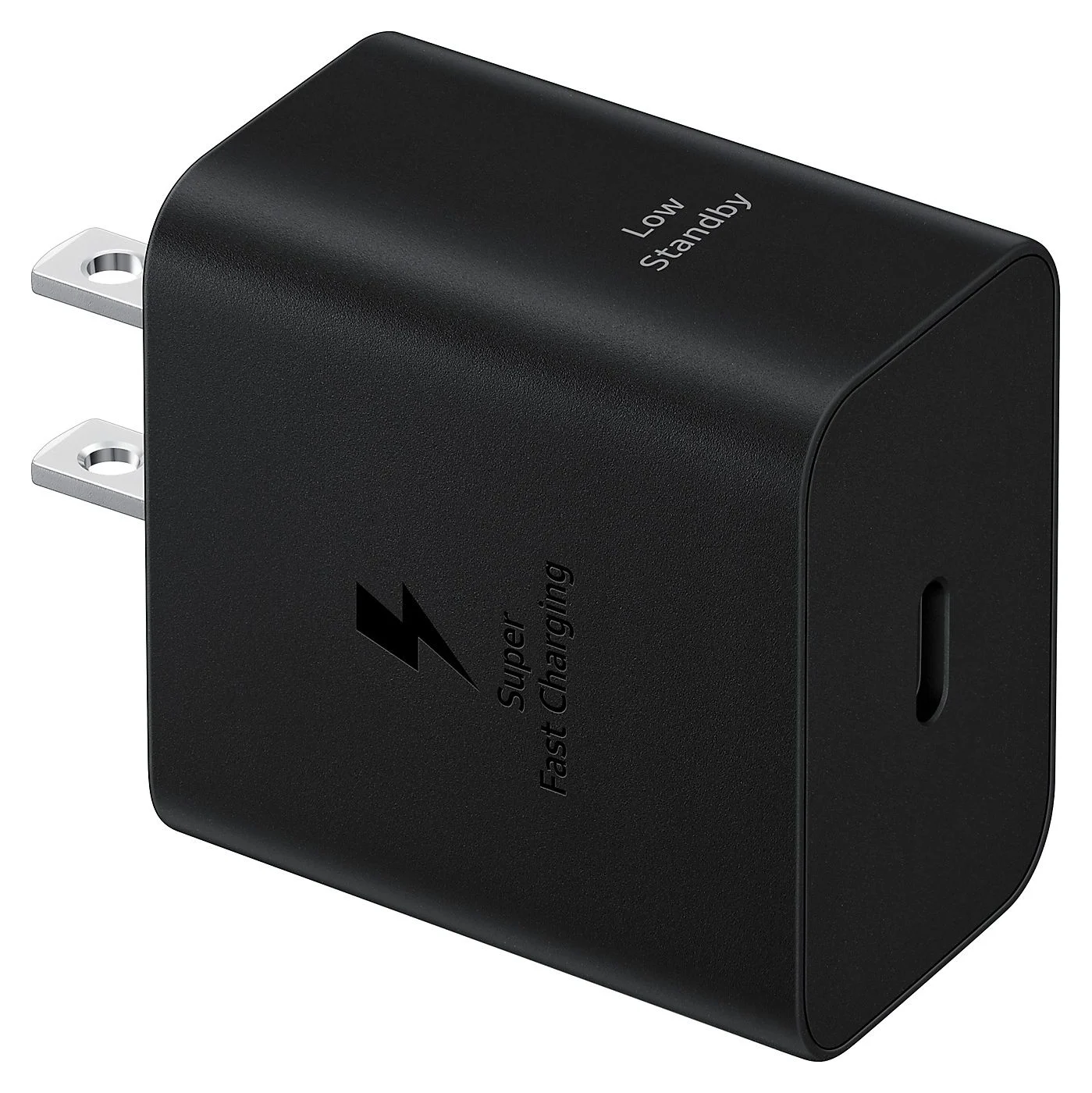
Samsung 45W Power Adapter with 5A USB-C Cable (EP-T4511, Black)
- max output
- 45W
- port
- 1
- Choose
- Samsung's 45W Power Adapter with 5A USB-C Cable matches the Galaxy S26+'s 45W Super Fast Charging 2.0 maximum, which Samsung rates at up to 69% in around 30 minutes.
- Limit
- One port, so one device at a time
- 50% in ~15 miniPhone 18 Pro wired, with a 60W-capable adapter that supports Adjustable Voltage Supply
- 75% in ~30 minGalaxy S26 Ultra wired, with Super Fast Charging 3.0 at up to 60W
- 75% in ~30 minPixel 11 Pro XL wired, with a 45W USB-C PPS charger or higher
- 25WTop wireless rate on the iPhone 18 Pro (MagSafe and Qi2), Galaxy S26 Ultra and Pixel 11 Pro XL (Qi2.2)
Wired charging: wattage and the charger each phone needs
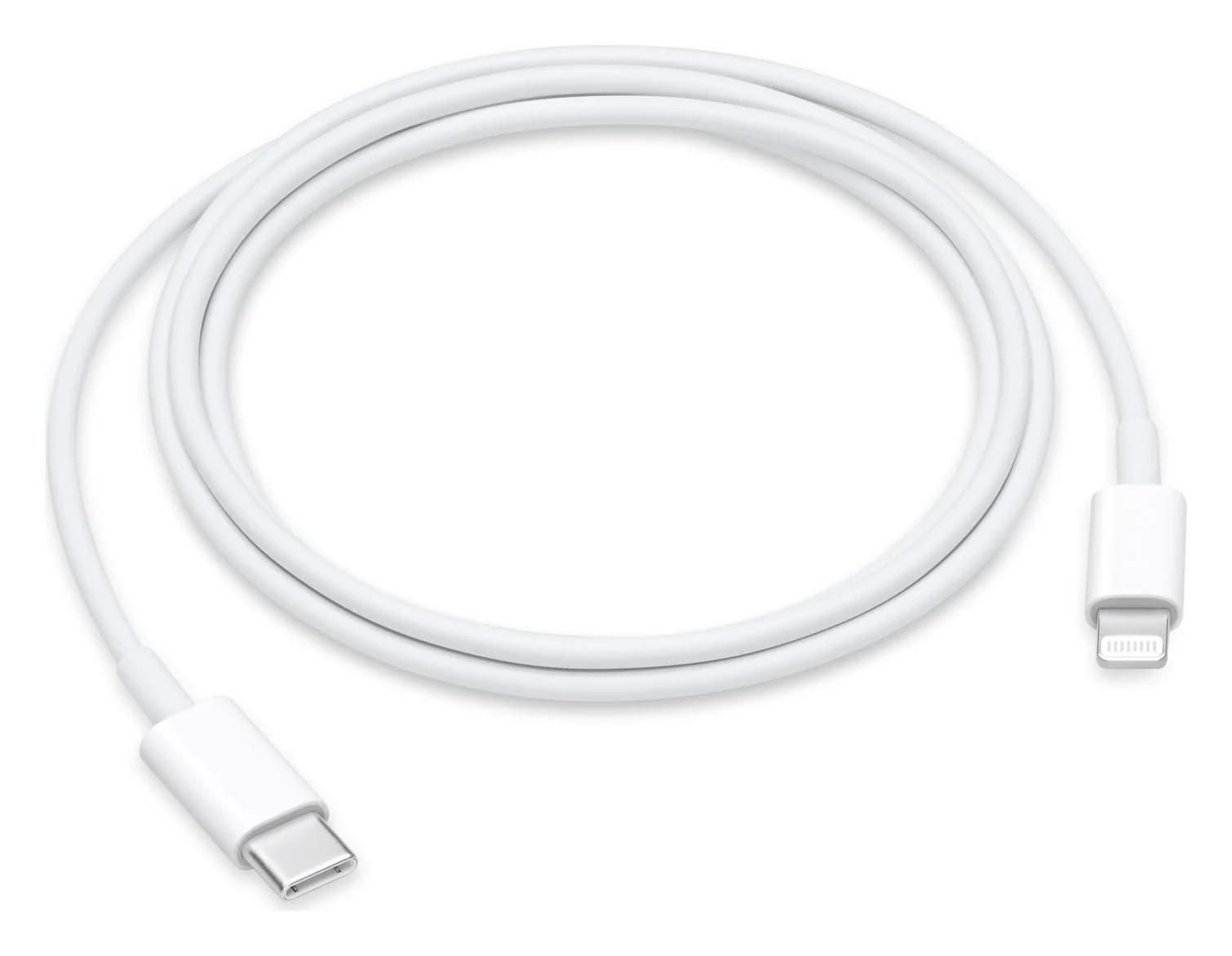
All three brands now list their wired charging speeds as a time-to-percentage figure rather than a raw wattage number, and the adapter wattage needed to achieve it varies by model.
Apple iPhone. The iPhone 18 Pro and iPhone 18 Pro Max reach 50% charge in around 15 minutes when paired with a 60W-capable USB Power Delivery adapter that supports Adjustable Voltage Supply (AVS) and the USB-C cable that came in the box (Apple's footnote calls for a 60W-capable USB-C cable) — per Apple's fast-charging support page. Apple's page names the USB-PD spec two ways: its body text says "USB Power Delivery (USB-PD) 3.2" for a comparable third-party 60W-capable AVS adapter, while its iPhone 18 Pro testing footnote says "USB PD 3.1 (or better)" — Apple does not resolve the difference on that page. Apple sells the 40W Dynamic Power Adapter with 60W Max (Model A3351) for this. For the fastest-charging phones across all three brands, see our best fast-charging phones guide. The folding iPhone Duo also reaches 50% in around 20 minutes with the same 60W adapter. Older current-model iPhones need lower-wattage adapters to hit their listed times: the iPhone 17 needs a 40W+ adapter for 50% in around 20 minutes; the iPhone 17e and iPhone Air need 20W+ for 50% in 30 minutes.
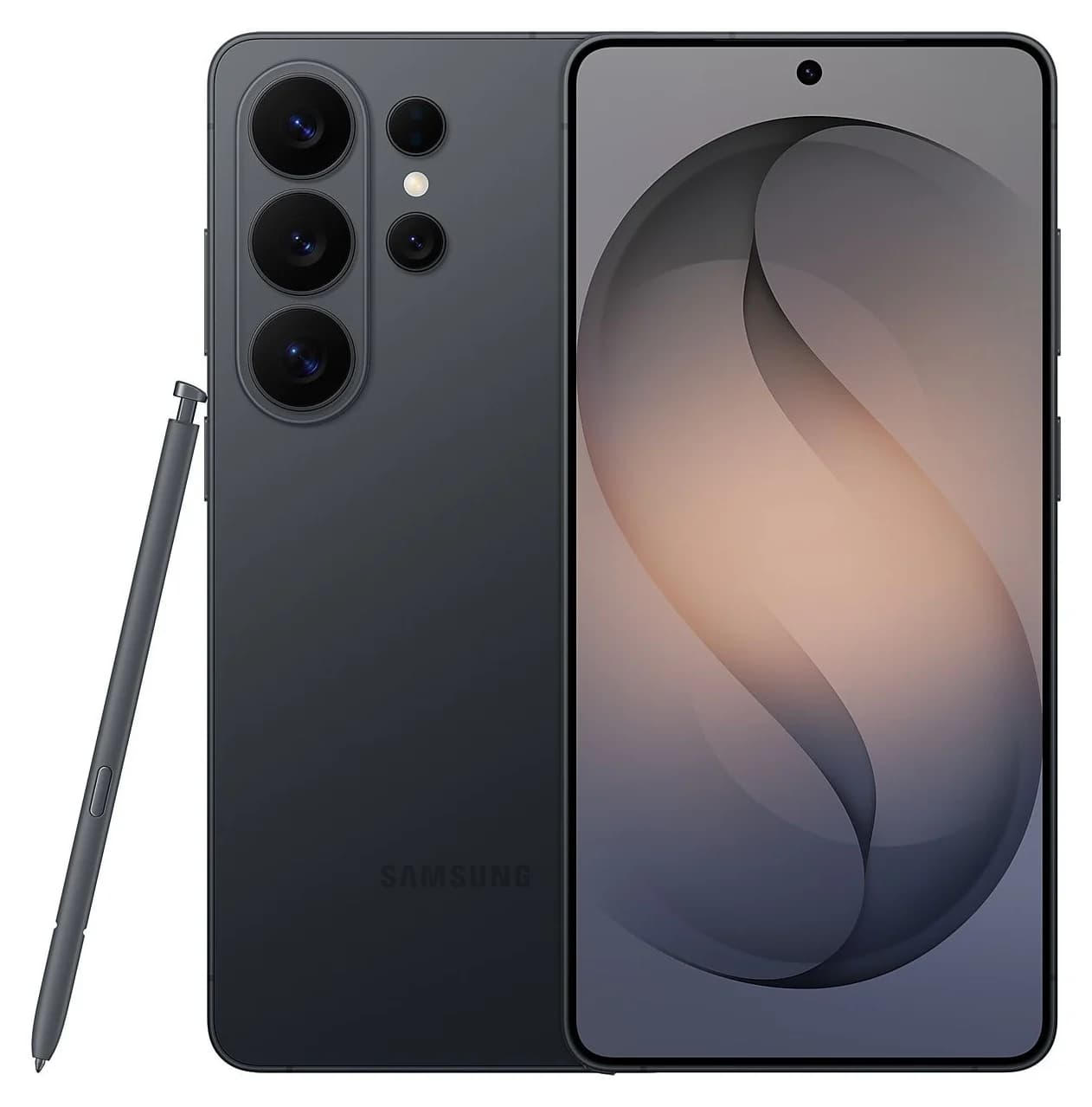
Samsung Galaxy. The Galaxy S26 Ultra uses Super Fast Charging 3.0 at up to 60W and reaches 75% in around 30 minutes, according to Samsung's product page. The Galaxy S26+ uses Super Fast Charging 2.0 at 45W and reaches 69% in around 30 minutes. The base Galaxy S26 uses Wired Super Fast Charging at up to 25W and reaches up to 55% in around 30 minutes, per Samsung's Galaxy S26 page.
Google Pixel. The Pixel 11 Pro XL reaches 75% in about 30 minutes using a 45W USB-C PPS charger or higher, per Google's spec page; the Pixel 11 Pro reaches 55% in about 30 minutes with a 30W USB-C PPS charger or higher. Both ship with Pixelsnap wireless charging at up to 25W. Google sells a 45W USB-C Power Adapter.
USB-C data speeds
USB-C is the only port on each of these phones, but the USB spec each one supports varies — which matters when you connect a cable to a laptop or external drive. For how the different USB-C cable specs translate to speed and power, see our types of USB-C cables explained guide.
USB 3 (up to 10Gb/s) — iPhone 18 Pro, 18 Pro Max and iPhone Duo. These iPhones support USB 3 at up to 10 gigabits per second, as listed on their spec sheets; Apple notes that a USB 3 cable with 10Gb/s speed is required for that rate. They also use this port for DisplayPort video output.
USB 2 (up to 480Mb/s) — iPhone 17, iPhone 17e, iPhone Air and iPhone 16. These models have USB-C but are limited to USB 2 speeds. Apple's spec sheets list a 1 m USB-C Charge Cable in the box, and Apple's fast-charge support page notes the USB-C cable that came in the box is the one to use with a fast-charge adapter.
USB 3.2 — Google Pixel 11 Pro XL. Google's spec page lists USB Type-C 3.2 for the Pixel 11 Pro XL. The cable included in the box is USB 2.0, so a faster cable is needed to hit the higher speed.
Wireless charging: MagSafe and Qi2 on both platforms
All three brands offer magnetic wireless charging, but where the magnets come from and the maximum speeds differ.
iPhone: MagSafe with magnets built in. Every current iPhone has built-in magnets forming a magnet array for alignment, plus the standard Qi2 alignment features. For our picks, see the best MagSafe charger guide. Apple's compare page lists MagSafe wireless charging up to 25W with a 30W adapter or higher on the iPhone 18 Pro, 18 Pro Max, Duo and 17. For the 18 Pro models and Duo, Apple's spec sheets and fast-charge page add that reaching 50% in around 30 minutes on a MagSafe Charger takes a 35W adapter or higher, so a 35W+ adapter is the safer buy for those three. iPhone Air reaches 20W and iPhone 17e reaches 15W with MagSafe and a compatible adapter.
Galaxy S26: magnetic cases, wireless up to 25W. Samsung's Galaxy S26 Ultra supports Super Fast Wireless Charging up to 25W. The base Galaxy S26 reaches 15W and the S26+ reaches 20W. Samsung sells Magnet Cases, which support wireless charging in slim, stylish designs. Samsung's own Magnet Wireless Charger and Magnet Wireless Battery Pack (cable-free power for on the go) round out the accessory set.
Pixel 11 Pro XL: Qi2.2-certified, no case needed. The Pixel 11 Pro XL uses Pixelsnap wireless charging, which is Qi2.2-certified at up to 25W — per Google's spec page. The Pixel 11 Pro charges wirelessly at the same up-to-25W rate. The Pixel 11 Pro XL does not require a magnetic case to use any Qi2 wireless charger.
Video output over USB-C
All three platforms can send video over their USB-C port, but the method and maximum resolution differ.
iPhone 18 Pro, 18 Pro Max, Duo and 17: DisplayPort up to 4K HDR. Apple's spec sheets list up to 4K HDR video out through native DisplayPort output over USB-C or the USB-C Digital AV Adapter (model A2119, sold separately). A USB-C cable that carries DisplayPort video, or that HDMI adapter, connects the phone to an external display or TV. The iPhone Air and iPhone 17e spec sheets don't list DisplayPort; they offer AirPlay video out to an Apple TV or AirPlay-enabled smart TV instead.
Samsung Galaxy S: DeX over USB-C. Samsung's DeX mode connects the phone to a monitor or TV using a USB-C-to-HDMI adapter or the official DeX accessories. DeX presents a desktop-like interface on the external display while keeping the phone usable. Samsung notes that DeX for PC is no longer supported on devices with or updated to One UI 7; Link to Windows is recommended instead for PC connectivity on those devices.
Google Pixel 11 Pro XL: wired display projection. Pixel 8 and later support wired video output. Connecting a DisplayPort or HDMI cable to the USB-C port brings up a mirror or projection — Google specifically names this in its support page for projecting content. A supported cable with a display device that accepts DisplayPort or HDMI is required.
Which accessories work across both platforms
USB-C cables and chargers are interchangeable between iPhone, Galaxy and Pixel. Any USB PD charger with a USB-C port can charge any of these phones. The only requirement is that the adapter meets the minimum wattage each maker specifies for its stated charging speed.
Wireless accessories are partially cross-compatible. Apple's MagSafe Chargers work on Qi2 phones such as the Pixel 11 Pro XL, but magnetic snap alignment needs magnets in the phone or in a case: iPhones have them built in, while Samsung sells Magnet Cases for the Galaxy S26 (Samsung's S26 pages don't use the Qi2 name). The Qi2 standard launched in late 2023, and the newer Qi2 25W version delivers nearly 70% more power than the original Qi2 — per the Wireless Power Consortium — which is how the iPhone 18 Pro, Duo and 17 reach 25W on a MagSafe charger. Qi2 chargers without the higher-power profile charge at lower rates.
Samsung's own wireless chargers and magnetic accessories are designed for Galaxy phones. Apple's AirPods Pro 3 charging case works with MagSafe chargers, Qi-certified wireless chargers, the Apple Watch charger or a USB-C connector — per Apple's product page.
Samsung's Quick Share is now compatible with Apple's AirDrop: after installing the latest software update to your Galaxy S26 or S26+, you can share with Apple devices that support AirDrop, per Samsung's FAQ.
Switching between platforms
Both Apple and Samsung make it straightforward to move data when switching from one platform to another. If you are deciding between Apple's current models rather than across brands, our iPhone models comparison guide covers the lineup. If you're considering a refurbished iPhone, our refurbished iPhones guide explains what Apple Certified Refurbished includes.
From Android to iPhone: Move to iOS. Apple's Move to iOS app transfers contacts, messages, photos, videos, calendars, web bookmarks, mail accounts, call history and supported free apps from an Android phone to a new iPhone. As of October 2026, devices running Android 17 or later can transfer data directly to iPhone using a QR code — no app needed. Older Android devices use the Move to iOS app from Google Play. The transfer connects over a temporary Wi-Fi network or a USB-C cable. Per Apple's support page, content including what's on a Micro SD card can be moved as long as it fits on the new iPhone.
From iPhone to Galaxy: Smart Switch. Samsung's Smart Switch moves contacts, photos, videos, notes and calendar events from iOS wirelessly or via cable — open Smart Switch Mobile in Settings on the receiving Galaxy device, or download Smart Switch for iOS from the App Store on your iPhone for wireless transfers. iCloud transfers are also supported. Contacts, gallery, videos, calendars and reminders can be transferred wirelessly from an iOS device.
From iPhone or Android to Pixel. Google's Pixel phones use a similar pairing-based transfer process: when you set up a new Pixel, the easiest way to transfer data is from your previous Android device or iPhone, pairing via QR code and transferring wirelessly, with a cable, or both — per Google's setup support page. Samsung also runs a Switch to Galaxy program on the Galaxy S26, per Samsung's product page.
Which suits whom: by need, not a winner
If fast wired charging matters most: The iPhone 18 Pro hits 50% in around 15 minutes with a 60W PD AVS adapter — the quickest time-to-percentage among these models. The Galaxy S26 Ultra reaches 75% in around 30 minutes at 60W, and the Pixel 11 Pro XL reaches 75% in around 30 minutes at 45W. All three need their respective high-wattage adapters to hit these figures.
If you want to use one charger for your laptop and phone: Any USB PD charger with a USB-C port charges all three phones. To hit each maker's top wired figure from one charger, pick 60W or higher (the iPhone 18 Pro and Galaxy S26 Ultra both call for 60W), with Adjustable Voltage Supply for the iPhone 18 Pro and PPS for the Pixel.
If you want magnetic wireless charging without a case: iPhones have magnets built in. Pixel 11 Pro XL works with any Qi2 charger at up to 25W without additional hardware. Galaxy S26 needs a magnetic case to get the snap-and-charge magnetic alignment, which Samsung sells separately.
If USB 3 data transfer speed matters: iPhone 18 Pro, 18 Pro Max and iPhone Duo support USB 3 at up to 10Gb/s with a 10Gb/s USB 3 cable — useful when moving large photo libraries or video to a laptop. Pixel 11 Pro XL supports USB 3.2 (faster than USB 2), but the cable in the box is USB 2.0. Samsung's Galaxy S26 product and compare pages don't list a USB data rate.
If you need video out on the go: iPhone 18 Pro, Duo and iPhone 17 offer DisplayPort video out over USB-C with a cable that carries DisplayPort video, or with Apple's USB-C Digital AV Adapter. Samsung Galaxy phones need the DeX cable or adapter for a desktop experience. Pixel 11 Pro XL works with a DisplayPort or HDMI cable on the go.
How we research this
We haven't physically tested these products. This comparison is based on:
- Apple's current iPhone lineup (apple.com/iphone), which lists the iPhone Duo, iPhone 18 Pro, iPhone Air, iPhone 17, iPhone 17e and iPhone 16
- Apple's iPhone compare page, iPhone 18 Pro spec sheet, iPhone 17 spec sheet, iPhone 17e spec sheet, iPhone Duo spec sheet, iPhone Air spec sheet, and fast-charging support page (apple.com/iphone/compare, apple.com/iphone-18-pro/specs, apple.com/iphone-17/specs, apple.com/iphone-17e/specs, apple.com/iphone-duo/specs, apple.com/iphone-air/specs, support.apple.com/en-us/102574)
- Samsung's Galaxy S26 product page, compare page, charging support page, cable support page and Samsung DeX support page (samsung.com/us/smartphones/galaxy-s26, samsung.com/us/smartphones/compare, samsung.com/us/support/answer/ANS10010342, samsung.com/us/support/answer/ANS10010341, samsung.com/us/support/answer/ANS10001955)
- Google's Pixel 11 Pro XL specs page, Pixel phone wireless charging support page, and Pixel screen-projection support page (store.google.com/us/product/pixel_11_pro_specs, support.google.com/pixelphone/answer/7158570, support.google.com/pixelphone/answer/2865484)
- Apple's Move to iOS support page (support.apple.com)
Frequently asked questions
Can iPhone and Android use the same USB-C charger?
Yes. Every current iPhone, Samsung Galaxy S26 and Google Pixel 11 uses USB-C for charging. Any USB Power Delivery (PD) charger with a USB-C port works, though each maker specifies a minimum wattage to hit its stated charging speed. Apple names a 20W+ adapter for the iPhone 17e and iPhone Air, 40W+ for the iPhone 17, and a 60W-capable adapter with Adjustable Voltage Supply for the iPhone 18 Pro, 18 Pro Max and Duo; Galaxy S26 needs 25W+; Galaxy S26+ and S26 Ultra need 45W+ and 60W+ respectively; Pixel 11 Pro XL needs 45W+.
Which phone charges the fastest?
Wired charging speed depends on the adapter wattage and the cable. Apple's iPhone 18 Pro reaches 50% in around 15 minutes with a 60W-capable USB PD adapter using Adjustable Voltage Supply (Apple's fast-charging support page names the USB-PD spec in its body text as version 3.2 and "3.1 (or better)" in its iPhone 18 Pro footnote) — the fastest wired charge time among these lines. The Galaxy S26 Ultra reaches 75% in around 30 minutes at 60W. Pixel 11 Pro XL reaches 75% in around 30 minutes at 45W. The iPhone 17e and iPhone Air are the slowest to their advertised mark at 50% in 30 minutes; the base Galaxy S26 tops out at 25W wired and up to 55% in around 30 minutes.
Do any of these phones support video output over USB-C?
The iPhone 18 Pro, 18 Pro Max, iPhone Duo and iPhone 17 support up to 4K HDR video out through native DisplayPort output over USB-C or Apple's USB-C Digital AV Adapter, per their spec sheets; the iPhone Air and iPhone 17e spec sheets don't list DisplayPort. Samsung Galaxy S phones support DeX mode via a USB-C-to-HDMI or USB-C display adapter, which mirrors or extends the screen to an external display. Google Pixel 11 Pro XL supports video out via DisplayPort or HDMI cable on Pixel 8 and later models.
Can iPhone and Android use the same wireless charger?
Apple's MagSafe and Qi2 chargers work on Qi2 phones such as the Pixel 11 Pro XL — but the magnetic alignment that MagSafe provides only works if the phone has built-in magnets. Samsung's Galaxy S26 pages describe wireless charging and Magnet Cases but don't use the Qi2 name. Galaxy S26 uses magnetic cases (sold separately) that add a magnetic ring. Google Pixel 11 Pro XL works with any Qi2 charger without a case. Samsung's own wireless chargers come in different power levels, showing how power levels vary by charger model.
What is the fastest wireless charging speed on these phones?
MagSafe on iPhone 18 Pro, 18 Pro Max, Duo and 17 reaches up to 25W; Apple's compare page pairs that with a 30W adapter or higher, while its fast-charge page asks for 35W or higher on the 18 Pro models and Duo to reach 50% in around 30 minutes. The iPhone Air reaches 20W and iPhone 17e reaches 15W. Galaxy S26 Ultra reaches 25W wireless, S26+ reaches 20W, and base S26 reaches 15W, per Samsung's charging page. Pixel 11 Pro XL reaches 25W wireless via Qi2.2 with Google's Pixelsnap charger.
How do I move data from iPhone to Android or Android to iPhone?
Apple offers Move to iOS for switching from Android to iPhone: the app transfers contacts, messages, photos, videos, calendars and some apps over a temporary Wi-Fi link or a USB-C cable. On Android 17+ you can also use a direct QR-code pairing without the app. Samsung's Smart Switch (open Smart Switch Mobile in Settings on the receiving Galaxy device) transfers data from iOS wirelessly or via cable — moving contacts, photos, videos, notes and calendar events. For switching from an iPhone to Pixel, Google uses the same pairing-based transfer process.
Related guides
Refurbished iPhone 15, 15 Pro and 15 Pro Max: What Apple Certified Refurbished Means, and What to Check
What Apple Certified Refurbished includes (new battery, new outer shell, one-year warranty), the iPhone 15 family's USB-C and charging facts, and the checks to run.
Updated November 26, 2026Read
Compare iPhone Models: Every Current iPhone Side by Side (Size, Chip, USB-C Speed, Charging)
The 13 current iPhones side by side from Apple's compare page: screen size, chip, USB-C speed (USB 2 vs USB 3), wired and MagSafe/Qi2 charging, ProRes, and which accessories fit.
Updated November 26, 2026Read
Fastest Charging Phone 2026: iPhone, Galaxy, Pixel Picks
The fastest charging phone in 2026 is the Galaxy S26 Ultra: 60W over USB-C, up to 75% in about 30 minutes. Plus iPhone 18 Pro, Pixel 11 Pro XL and chargers.
Updated November 23, 2026Read