Best picks
Best Fast-Charging Phones in 2026: Watts, Chargers and USB-C Speeds Compared
The fastest-charging iPhone, Galaxy and Pixel phones from maker specs, the exact charger each needs (PD, PPS or AVS), and their USB-C data and video speeds.
By thisUSB EditorialUpdated October 22, 202610 min read3 picks
Our picks at a glance
- See on Amazon1
Best overall
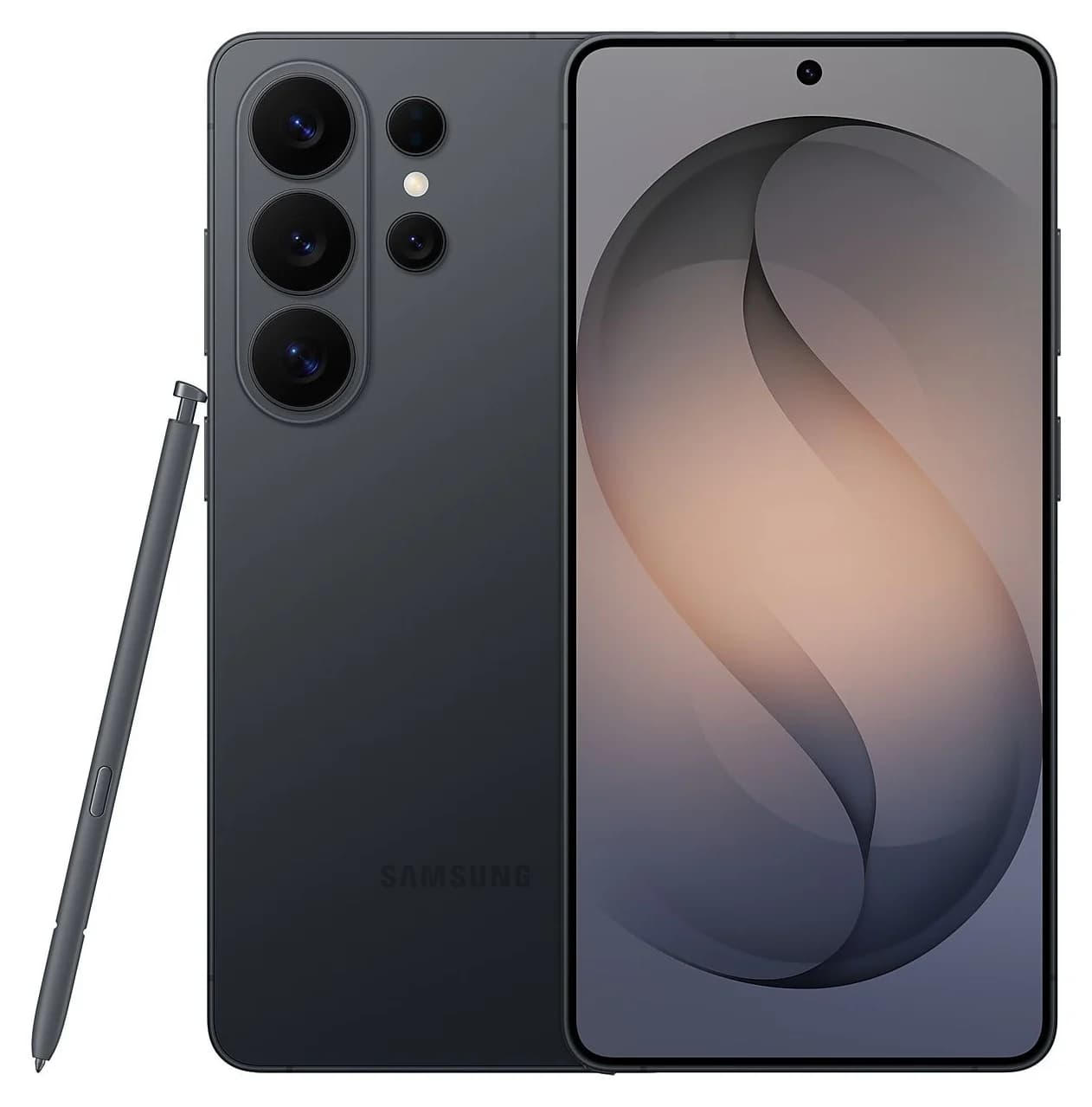
Samsung Galaxy S26 Ultra (256GB, Black, Unlocked)60W charger · 5 Gbps data · Samsung DeX video · 1 port
- See on Amazon
- See on Amazon3
Best smaller Galaxy
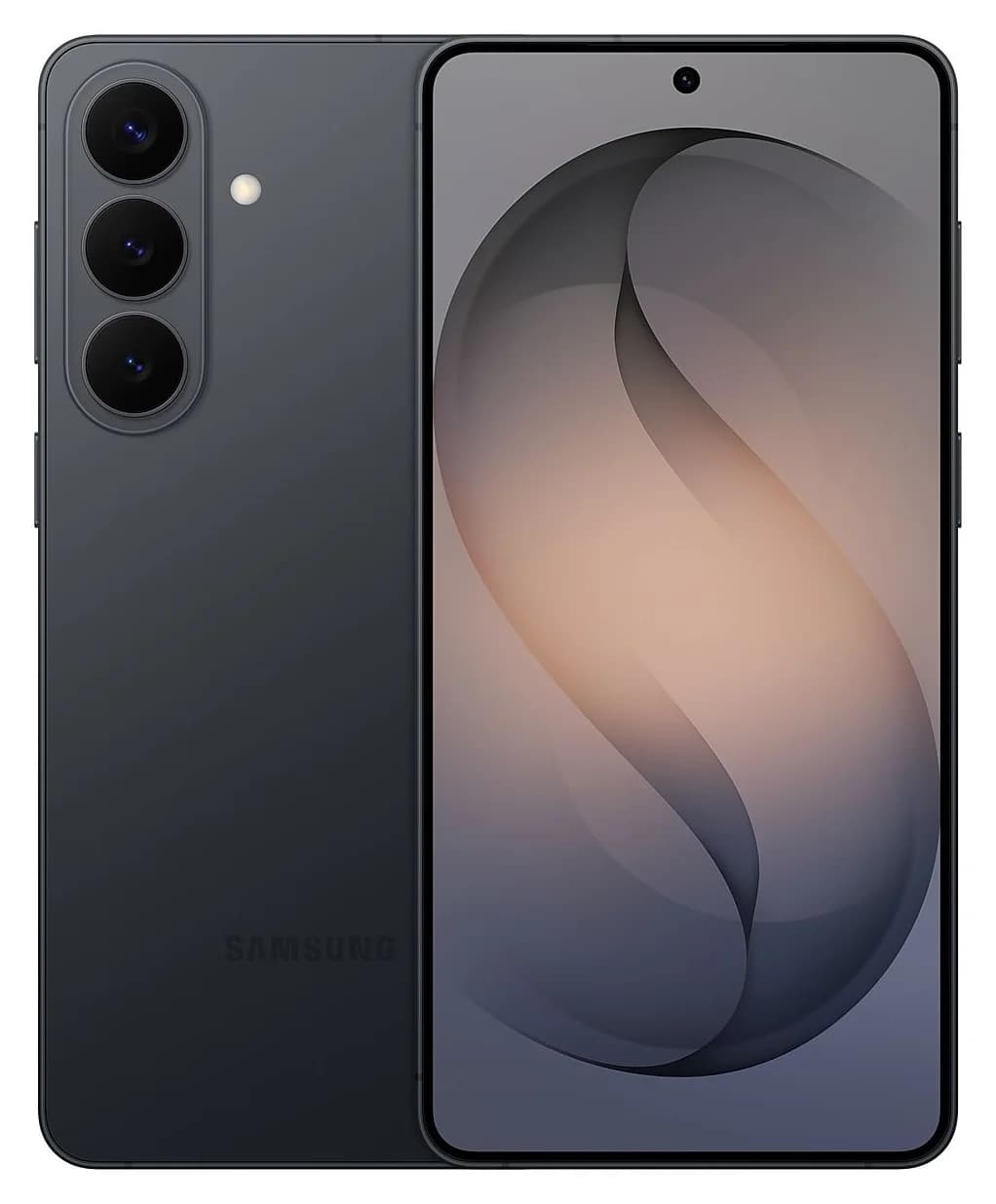
Samsung Galaxy S26+ (256GB, Black, Unlocked)45W charger · 5 Gbps data · Samsung DeX video · 1 port
For the fastest wired charging on a current name-brand phone, get the Samsung Galaxy S26 Ultra. Samsung rates it at 60W over standard USB Power Delivery with PPS and quotes up to 75% in around 30 minutes. iPhone owners should look at the iPhone 18 Pro: Apple quotes 50% in around 15 minutes with an AVS charger, and it's the only phone here with 10Gb/s USB.
Each phone reaches its top speed through a different charger feature, and none ships with a charger, so this guide pairs every phone with the charger and cable it needs.
Quick picks
| Phone | Award | Fastest wired (maker) | Maker's charge claim | Charger it needs | USB-C data | Video out |
|---|---|---|---|---|---|---|
| Samsung Galaxy S26 Ultra | Best overall | 60W | Up to 75% in ~30 min | 60W USB PD with PPS | 5Gbps | Samsung DeX |
| Apple iPhone 18 Pro | Best iPhone | 60W-capable AVS adapter | 50% in ~15 min | 60W-capable, AVS | 10Gb/s | DisplayPort, 4K HDR |
| Google Pixel 11 Pro XL | Best Pixel | 45W | Up to 75% in ~30 min | 45W USB PD with PPS | USB 3.2 (speed not stated) | Not listed |
| Samsung Galaxy S26+ | Best smaller Galaxy | 45W | Up to 69% in ~30 min | 45W USB PD with PPS | 5Gbps | Samsung DeX |
| Apple iPhone 17 | Best value iPhone | 40W adapter | 50% in 20 min | 40W+ USB PD | USB 2 (480Mb/s) | DisplayPort, 4K HDR |
Charge times are each maker's own claims with different targets (75% versus 50%), so compare a phone against its predecessor, not a rival.
PD, PPS, AVS: why the charger matters
Every phone here charges from any USB-C Power Delivery (PD) charger. What changes is how each one reaches its fastest figure:
- Fixed-voltage USB PD offers a few set voltages (5V, 9V, 15V, 20V). The iPhone 17 needs nothing more: Apple quotes 50% in 20 minutes with any 40W or higher USB-C PD adapter.
- PPS (Programmable Power Supply) lets the phone request a voltage in 20mV steps, so the charger does more of the conversion work and the phone stays cooler. Samsung and Google rely on it. A charger that lists PD but not PPS still charges a Galaxy or Pixel, just at a slower fallback rate.
- AVS (Adjustable Voltage Supply) is a newer PD feature that Apple picked for the iPhone 18 Pro. It also adjusts voltage in fine steps. Apple's 15-minute figure needs AVS on a 60W-capable adapter, and few third-party chargers list it yet.
Higher wattage is safe on every phone here, because the phone asks for what it wants. A 100W charger without PPS will still charge a Galaxy slower than a 45W charger with PPS.
Best overall: Samsung Galaxy S26 Ultra
Samsung
Samsung Galaxy S26 Ultra (256GB, Black, Unlocked)
Samsung's 2026 flagship phone with a built-in S Pen, 60W Super Fast Charging 3.0 over USB-C, a 5Gbps USB 3.2 Gen 1 port and Samsung DeX on an external monitor.
- 60W charger
- 5 Gbps data
- Samsung DeX video
- 1 port
Samsung raised the S26 Ultra's wired rating to 60W, up from 45W on the previous model, and quotes up to 75% in around 30 minutes. That's the highest published wattage among current Apple, Samsung and Google flagships, and the protocol behind it is standard USB PD with PPS rather than a proprietary system.
Samsung's own 60W Power Adapter, sold separately and without a cable, lists PPS from 5 to 20V at 3A. That's a useful detail: at 3A, the 3A USB-C cable in the box is enough, so you don't need the 5A cable older Samsung 45W phones called for. Samsung only quotes its own adapter for the 75% figure. None of the chargers in our catalog lists Samsung's 60W mode yet, so buy Samsung's adapter if you want the full rate.
The port is USB 3.2 Gen 1 (5Gbps), about ten times the 480Mb/s of a USB 2 phone, and Samsung DeX turns a monitor into a desktop through a plain USB-C to HDMI adapter. Wireless charging reaches 25W, though the phone has no built-in magnets, so magnetic chargers need Samsung's Magnet Case. The listing is the 256GB Black unlocked US model.
See the Galaxy S26 Ultra on Amazon
Best iPhone: Apple iPhone 18 Pro
The iPhone 18 Pro is the first iPhone where the charger's protocol matters as much as its wattage. Apple quotes up to 50% in around 15 minutes, but only with a 60W-capable adapter that supports AVS, plus the USB-C cable in the box. The adapter Apple names is its own 40W Dynamic Power Adapter with 60W Max. Any other USB-C PD charger still charges it, just without Apple's 15-minute claim.
It's also the only phone here with 10Gb/s USB. Apple lists USB 3 at up to 10Gb/s, with a catch that trips people up: the cable in the box is USB 2 speed, so fast transfers need a separate 10Gb/s USB 3 cable. That speed is what makes recording ProRes video to an external drive practical. The SanDisk Creator Phone SSD snaps onto the back, and SanDisk puts a USB-C cable in the box. Video out is native DisplayPort at up to 4K HDR, so a USB-C monitor or a USB-C to HDMI adapter works without an app.
Wireless tops out at 25W on MagSafe and Qi2, with 50% in about 30 minutes on a MagSafe Charger behind a 35W or higher adapter. The listing is the 256GB Black model.
See the iPhone 18 Pro on Apple’s site
Best Pixel: Google Pixel 11 Pro XL
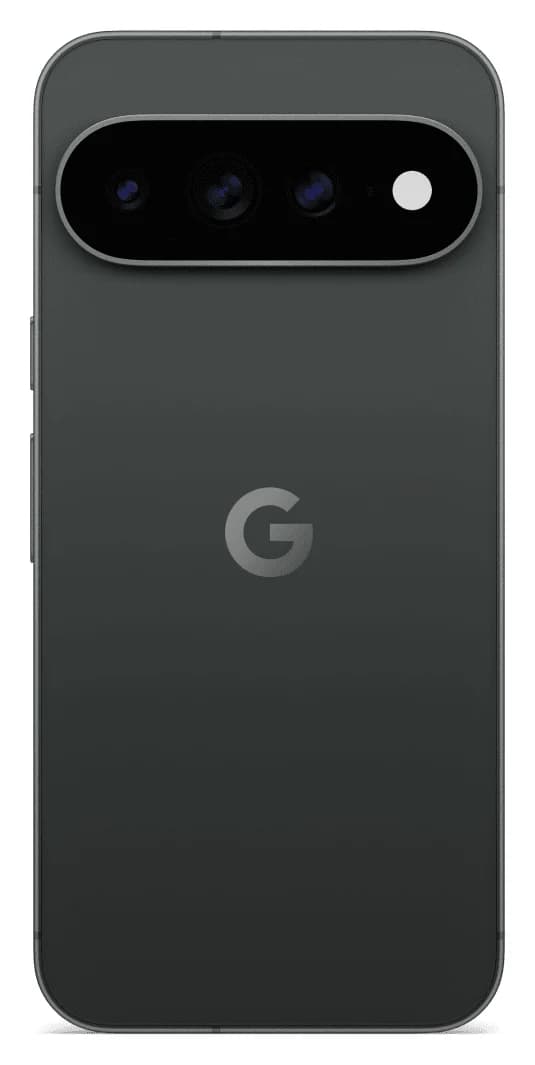
Google Pixel 11 Pro XL (256GB, Obsidian, Unlocked)
Google's 6.8-inch 2026 Pixel with 45W USB-C PPS fast charging, a USB 3.2 port and Pixelsnap Qi2.2 magnetic wireless charging at up to 25W.
- 45W charger
- 1 port
Google quotes up to 75% in about 30 minutes for the Pixel 11 Pro XL, using a 45W USB-C charger with PPS. Google is explicit that PPS is part of the requirement, and its charge times are based on its own 45W USB-C Charger. That matters more on a Pixel than on most phones: reviewers have reported that the phone requests a high PPS voltage that some third-party PPS chargers don't supply, which leaves them well short of 45W. If you want Google's figure, Google's charger is the safe buy.
The port is USB 3.2, though Google doesn't say which generation, and the cable in the box is USB 2.0, so fast transfers need a separate USB 3 cable. Google's spec pages don't list video output over USB-C, so don't count on a monitor connection. Where the Pixel beats the Galaxy phones is wireless: built-in Pixelsnap magnets with Qi2.2 certification at up to 25W. The listing is the 256GB Obsidian unlocked model.
See the Pixel 11 Pro XL on Amazon
Best smaller Galaxy: Samsung Galaxy S26+
Samsung
Samsung Galaxy S26+ (256GB, Black, Unlocked)
Samsung's 6.7-inch 2026 Galaxy S phone with 45W Super Fast Charging 2.0 over USB-C, a 5Gbps USB 3.2 Gen 1 port and Samsung DeX support.
- 45W charger
- 5 Gbps data
- Samsung DeX video
- 1 port
The S26+ keeps last year's 45W rating, and Samsung quotes up to 69% in around 30 minutes. Samsung's 45W Power Adapter lists PD 3.0 with PPS up to 45W, and its PPS range runs from 5 to 20V at 2.25A. With Samsung's adapter, which never exceeds 2.25A, the 3A cable in the box is enough on paper. Among our catalog chargers, the UGREEN 65W Universal Travel Adapter lists Samsung's 45W Super Fast Charging 2.0 on its main USB-C port, which makes it a good fit for travel. Its main port drops to 45W once a second device plugs in, which still covers this phone. UGREEN doesn't publish the current behind that mode, so use a 5A cable with it to be safe.
Everything else matches the Ultra where it counts for USB: a USB 3.2 Gen 1 (5Gbps) port, DeX through a USB-C to HDMI adapter, and no charger in the box. Wireless is 20W. It's lighter and slimmer, at 190 g and 7.3 mm. The listing is the 256GB Black unlocked US model.
Best value iPhone: Apple iPhone 17
The iPhone 17 charges fast without any special protocol. Apple quotes 50% in 20 minutes with a 40W or higher USB-C adapter, using plain USB Power Delivery. That makes it the easiest phone here to buy a charger for: the Anker Nano Charger (45W) clears 40W in a small body, and so does any laptop charger you already own.
The trade-off is data. The port runs at USB 2 speed (480Mb/s), so moving a long 4K video to a computer is far slower than on the 18 Pro. Video out is still there: native DisplayPort at up to 4K HDR, the same as the Pro. Wireless reaches 25W on MagSafe and Qi2 with a 30W or higher adapter. The listing is the 256GB Black model.
See the iPhone 17 on Apple’s site
Which charger and cable for each phone
| Phone | Charger for the maker's fastest figure | Cable |
|---|---|---|
| Galaxy S26 Ultra | Samsung 60W Power Adapter (PPS 5-20V at 3A) | 3A USB-C cable (in the box) |
| iPhone 18 Pro | Apple 40W Dynamic Power Adapter (AVS) | USB-C cable in the box |
| Pixel 11 Pro XL | Google 45W USB-C Charger (PPS) | USB-C cable in the box |
| Galaxy S26+ | Samsung 45W adapter or the UGREEN 65W Travel Adapter | 3A cable in the box with Samsung's adapter; 5A cable with the UGREEN |
| iPhone 17 | Anker Nano 45W or any 40W+ USB PD charger | USB-C cable in the box |
The cables that come with these phones are rated for their charging speeds, so you only need a new one for length, durability or data. For a spare that covers every phone here and a laptop too, the Anker 240W braided two-pack is rated at 5A. Note that it, like most charging cables, is USB 2 for data. For 10Gb/s transfers on the iPhone 18 Pro, use a cable rated for USB 3 data. Our fast-charging cable guide explains the ratings, and our iPhone charger guide covers every USB-C iPhone in detail.
One charger for everything is possible, with a caveat. A multi-port laptop charger from our USB-C charger guide charges all five phones, but it reaches each phone's top figure only if it offers the right feature: 40W PD for the iPhone 17, PPS for the Galaxy and Pixel phones, AVS for the iPhone 18 Pro.
USB-C data and video: the overlooked differences
Charging gets the headlines, but the port does more:
- 10Gb/s (iPhone 18 Pro). Fast enough to record ProRes video straight to an SSD; see our portable SSD guide.
- 5Gbps (Galaxy S26 Ultra and S26+). USB 3.2 Gen 1, so photo and video transfers to a PC or SSD are much quicker than on USB 2.
- USB 3.2, generation not stated (Pixel 11 Pro XL). Faster than USB 2, but Google doesn't publish the speed.
- USB 2 (iPhone 17). Fine for charging and accessories, slow for big files.
For a monitor, the iPhones use DisplayPort directly, and the Galaxy phones launch DeX. A USB-C hub with HDMI and pass-through charging lets you charge while docked, but hubs rarely list PPS or AVS pass-through, so expect slower charging through a hub than from a wall charger. Our USB-C hubs with HDMI guide covers the 4K60 options.
How we choose
We haven't charged these phones ourselves. Our picks come from research:
- Maker numbers first. Every wattage, charge-time claim, data speed and video spec comes from the maker's own spec pages and support documents, linked from each product page.
- Protocol fit. We check what each phone needs from a charger (fixed PD, PPS or AVS) and match it against the published output tables of chargers in our catalog.
- Current and popular. Every phone is the current model on its maker's US site in October 2026, from a brand with a long support record. OnePlus is missing because it stopped launching phones in the US in 2026. Motorola's edge 2026 is rated at 60W, but it's sold through Motorola, Best Buy and carriers rather than Amazon, and Motorola doesn't say which charger reaches that figure.
- Known patterns. Well-reported issues, such as Pixel phones falling short of 45W on some PPS chargers, or a USB 2 cable capping a 10Gb/s phone.
Buying guide
Check the charger before the phone. None of these phones includes a charger. Budget for the one that unlocks the maker's figure: AVS for the iPhone 18 Pro, PPS for Galaxy and Pixel, 40W PD for the iPhone 17.
Wireless is a separate decision. The iPhones and the Pixel have built-in magnets with 25W wireless; the Galaxy phones need a magnet case for magnetic chargers. For charging on the go, our power bank guide covers Qi2 and PPS banks.
Think about the port if you shoot video. If you move large files or record to an external drive, the 10Gb/s iPhone 18 Pro is the only phone here that doesn't make you wait.
Verdict
Buy the Galaxy S26 Ultra for the highest wired rating on a current flagship, using standard PD with PPS and a 3A cable. The iPhone 18 Pro is the pick for iPhone owners, especially with an AVS charger and a 10Gb/s cable. Choose the Pixel 11 Pro XL for 45W plus magnetic Qi2.2, the Galaxy S26+ for 45W in a slimmer phone, and the iPhone 17 for fast charging from any 40W charger.
Frequently asked questions
Which phone charges the fastest in 2026?
Among current Apple, Samsung and Google flagships, the Galaxy S26 Ultra has the highest published wired wattage at 60W, and Samsung quotes up to 75% in around 30 minutes. Apple's iPhone 18 Pro claims 50% in around 15 minutes with an AVS charger. The two claims use different targets, so they aren't directly comparable, but on paper both are faster than their makers' previous models.
Do I need a special charger for the Galaxy S26 Ultra's 60W charging?
You need a USB PD charger with PPS that can supply 60W. Samsung's own 60W Power Adapter lists PPS from 5 to 20V at 3A, so the 3A cable in the box is enough. Samsung only quotes its adapter for the 75% figure. A charger without PPS still charges the phone, but at a slower standard-PD rate.
What charger does the iPhone 18 Pro need for 15-minute fast charging?
Apple says a 60W-capable (or higher) adapter that supports Adjustable Voltage Supply (AVS), used with the USB-C cable in the box. Apple's 40W Dynamic Power Adapter with 60W Max is the one it names. Other USB-C PD chargers still charge the iPhone 18 Pro, but Apple doesn't quote the 15-minute figure for them.
Why does my Pixel 11 Pro XL charge slowly on a big laptop charger?
Google's 45W figure needs a charger with USB PD PPS. A charger without PPS falls back to a slower standard mode, however many watts it's rated for. Reviewers have also reported that the phone asks for a high PPS voltage that some PPS chargers don't offer. Google's own 45W USB-C Charger is the one its charge-time claim is based on.
Can I connect my phone to a monitor with USB-C?
iPhone 17 and iPhone 18 Pro output native DisplayPort at up to 4K HDR, so a USB-C monitor or a USB-C to HDMI adapter works. Galaxy S26 phones start Samsung DeX, a desktop-style interface, through a standard USB-C to HDMI adapter. Google doesn't list video output over USB-C for the Pixel 11 Pro XL.