Black Friday: the specs to check before you buy
Comparison
Updated November 3, 2026BMX SolidSafe 5K vs 10K: Which Solid-State Power Bank to Buy
Short answer
Choose the original BMX SolidSafe 10K, B939-10, for longer days or sharing, and the original SolidSafe 5K, B939-05, for a slimmer daily top-up. The 10K doubles advertised capacity and raises total USB-C output from 20W to 30W, but both stop at 15W wirelessly, according to BMX's model specifications. If you searched for a “solid state power bank” hoping for a safety guarantee, BMX itself calls these semi-solid-state and says the technology does not eliminate failure risk.
Our picks at a glance
Best slim Qi2 alternativeAnker
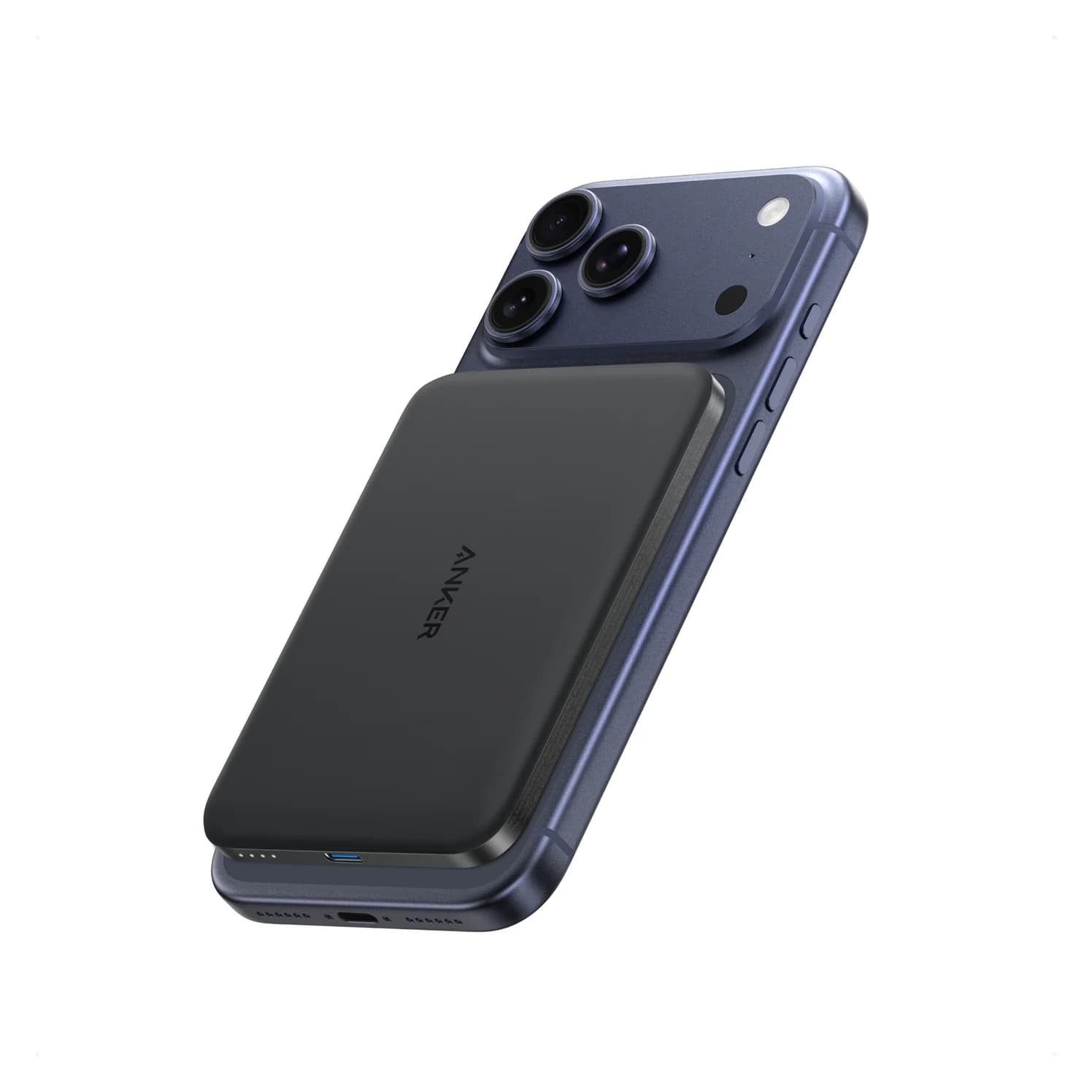
Anker Nano Power Bank (5K, MagGo, Slim)
- max output
- 20W
- port
- 1
- Choose
- Anker's A1665 offers 5,000mAh, 15W wireless and 20W USB-C charging in an 8.6mm, 122g body.
- Limit
- 5,000mAh is a top-up, not a full recharge for large phones
Quick picks
| Choose | When it makes sense | Main trade-off |
|---|---|---|
| SolidSafe 10K, B939-10 | Longer days, more reserve, or sharing wired power | Thicker body; no higher wireless rating than the 5K |
| SolidSafe 5K, B939-05 | A daily top-up with an LCD and carry cable | Less capacity and wired output than the 10K |
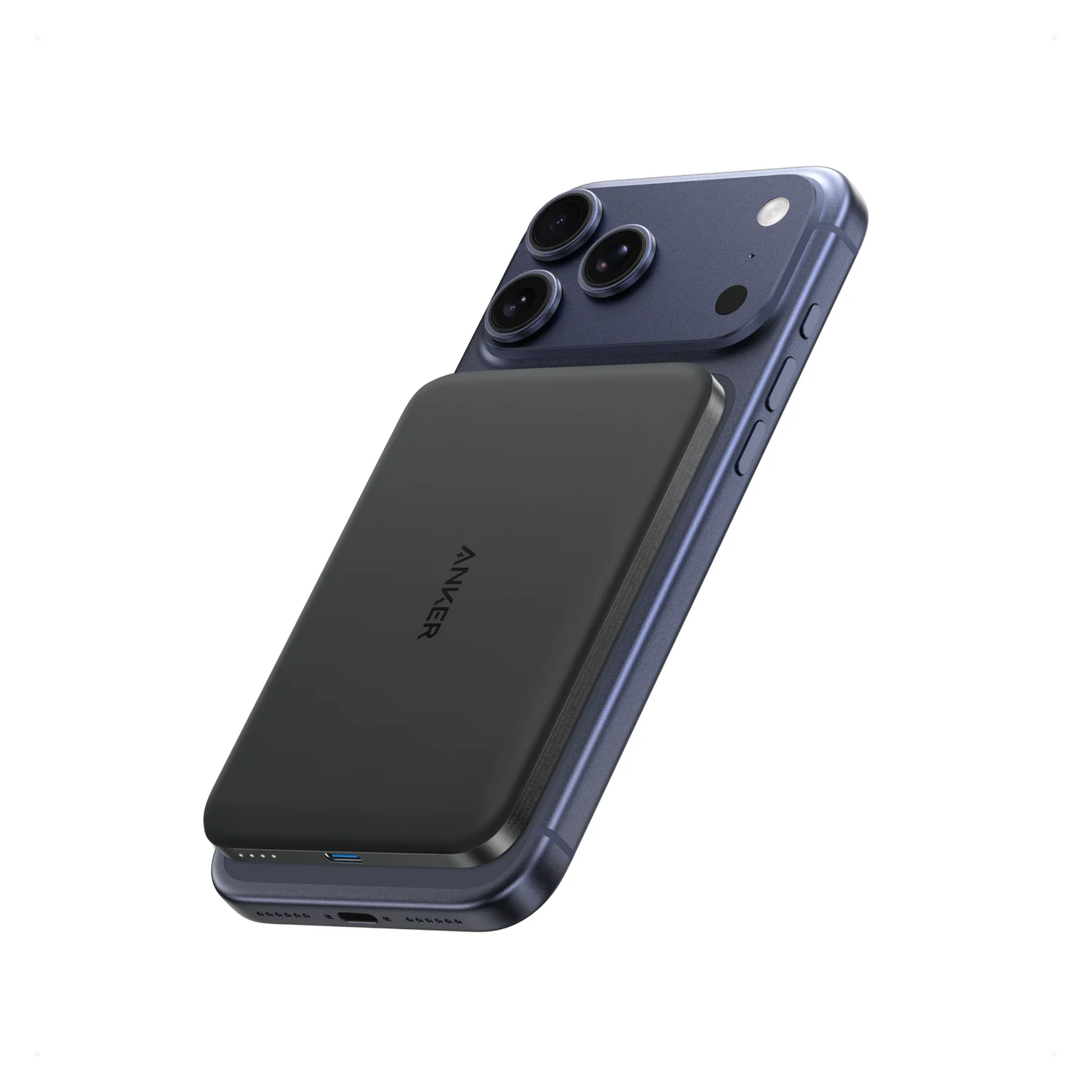
| Anker Nano 5K, A1665 | Slimness matters more than the BMX display and lanyard design | Compare the complete kit before paying extra for either BMX |
Original SolidSafe 5K vs 10K: the comparison
These are the original B939 models. The table labels figures taken from a manual where they differ from, or supplement, the current product pages.
| Specification | SolidSafe 5K | SolidSafe 10K |
|---|---|---|
| Model | B939-05 | B939-10 |
| Advertised cell capacity | 5,000mAh | 10,000mAh |
| Energy | 19Wh in the manual | 38.5Wh on the product page; 38Wh in the manual |
| Wireless maximum | 15W Qi2 | 15W Qi2 |
| USB-C output | Up to 20W | Up to 30W total |
| USB-C input | Up to 15W in the page and manual's specification table | Up to 27W in the page and English manual text |
| Physical USB-C ports | One input/output port | Two input/output ports |
| Devices advertised at once | Two: USB-C plus wireless | Three: two USB-C plus wireless |
| Product-page dimensions | 102.7 × 72.7 × 11.7mm | 102.7 × 72.7 × 18.9mm |
| Weight | 140g in the manual | 230.5g on the product page |
| Display | Full-color LCD: battery percentage and charging watts | Full-color LCD: battery percentage and charging watts |
Sources: BMX's 5K product page, 10K product page, and the official B939-05 manual and B939-10 manual.
For pocket fit, start with thickness: the original 5K is 11.7mm; the original 10K is 18.9mm. That is the size trade-off to weigh against the extra reserve.
Documentation conflicts to know: the 5K page gives a 72.7mm width, while its manual's dimension row reads 102.7 × 72 × 11.7mm. That manual also has a broad feature sentence claiming up to 20W input/output, although its input specification and the product page indicate 15W input. The 10K page lists 38.5Wh versus the manual's 38Wh; its manual's English port paragraph gives 27W input/30W output, while French and other translations say 20W. The manual's capacity table also conflicts with its 10,000mAh cover. These are reasons to check the supplied manual and unit label, especially when a precise specification matters.
Best for longer days: SolidSafe 10K B939-10
The 10K is our default within this pair if running short matters more than pocket thickness. BMX lists 10,000mAh, two USB-C ports, and simultaneous charging of two wired devices plus a wireless phone. The LCD and built-in USB-C lanyard cable are shared with the smaller model; capacity and wired flexibility are the reasons to move up.
Read 30W total carefully. The page describes a combined USB-C limit, not a promise of that output to each device together. It does not give a complete simultaneous wired/wireless power-allocation table, so do not budget every connection at its individual maximum. Use a wired connection for the phone whose charging matters most; BMX recommends the lanyard cable for its fastest charging.
Treat the extra capacity as reserve rather than a guaranteed number of full recharges. BMX qualifies its phone-charge estimate by device and use. It also describes this as a phone-first bank; for a laptop-focused purchase, start with our power bank guide.
Check the original SolidSafe 10K and bundle at BMX.
Best for lighter carry: SolidSafe 5K B939-05
Pick the 5K when you mainly need a top-up between outlets and want the original SolidSafe's display and lanyard design. Its product page lists the same 15W wireless ceiling as the 10K, with 20W USB-C output. You keep the headline wireless capability while carrying the thinner bank.
The limitation is reserve: advertised cell capacity is 5,000mAh. Do not translate that straight into the percentage your phone will gain. Anker's A1665 product page explains that conversion losses reduce delivered capacity; it does not establish a measured efficiency figure for either BMX. Our recommendation is therefore for backup charging, without a full-phone-charge promise.
There is also a useful setup detail in BMX's manual: connecting USB-C turns wireless charging off, and the English instructions say to press the power button to reactivate wireless mode. If your second device stops charging, check that control before assuming simultaneous charging is unsupported.
Check the original SolidSafe 5K and bundle at BMX.
Best slim Qi2 alternative: Anker Nano 5K A1665
Anker
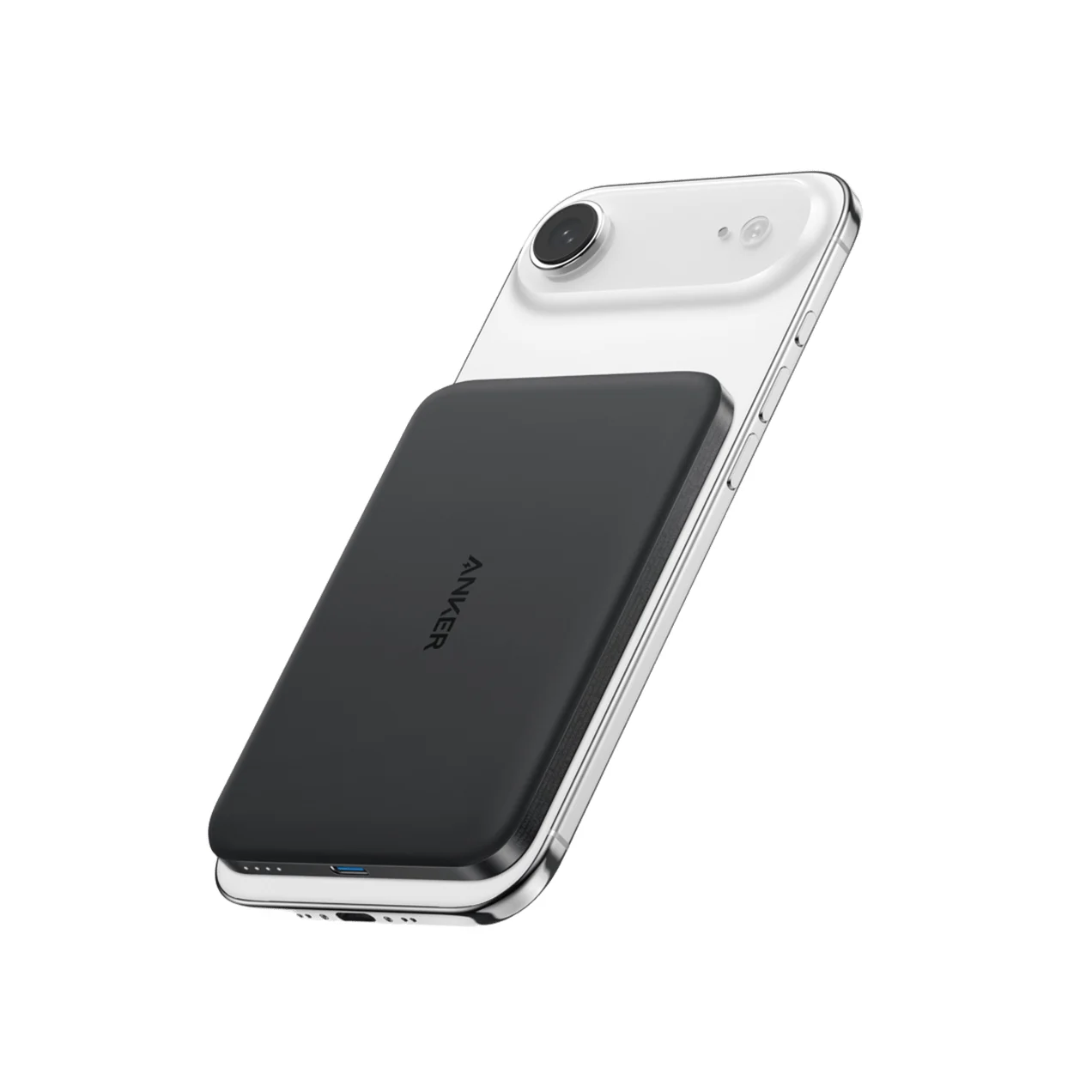
Anker Nano Power Bank (5K, MagGo, Slim)
An 8.6mm-thin 5,000mAh magnetic power bank with Qi2-certified 15W wireless charging and a 20W USB-C port.
- 20W max output
- 1 port
Before paying extra for the cell-technology label, compare the Anker Nano Power Bank (5K, MagGo, Slim). Anker's US specifications list 5,000mAh, 15W wireless, 20W USB-C charging and recharging, 8.6mm thickness, and 122g weight. That gives it the same headline wireless rating as the original BMX pair in a thinner, lighter body than either documented BMX figure.
The original BMX design makes more sense if its LCD and lanyard cable solve a daily annoyance for you. Choose the Anker if slimness wins and its complete kit costs less when you check. Anker's product-page package description includes a separate USB-C to USB-C cable, so do not automatically add a cable purchase to its side of the comparison. For more magnetic options, see our MagSafe power bank guide.
What “semi-solid-state” means for this purchase
BMX's own explanation is that SolidSafe cells contain significantly less liquid electrolyte than conventional lithium-ion cells. BMX describes reduced fire risk and explicitly says semi-solid-state does not mean a battery cannot fail. Its product pages also describe internal puncture testing; those are manufacturer claims, not our findings.
We make no independent safety ranking or lifespan prediction from that description. Decide whether the bank's documented capacity, connections, size and controls justify the purchase. The chemistry label alone does not tell you which of these two capacities fits your day, and it does not raise either original model's wireless rating.
Buying advice: match the version and complete the kit
Check the model before comparing listings
BMX's family record identifies B939-05 and B939-10 as these originals. Air 5K is B3-05; Air 10K is B3-10; Duo is B8-05. Those names are not interchangeable: Air 10K, for example, has a 25W Qi2.2 rating, while the original 10K here has a 15W rating. Match the printed model, capacity and pack quantity before using a listing's specifications.
What you need to charge and refill
| Choice | Maker's listed box contents | What to supply or check |
|---|---|---|
| Original SolidSafe 5K | Bank and 60W USB-C cable; built-in lanyard design | A USB-C PD wall adapter if needed; the page recommends 20W or higher, while bank input tops out at 15W |
| Original SolidSafe 10K | Bank and 60W USB-C cable; built-in lanyard design | For the listed 27W maximum input, use a USB-C PD adapter offering 9V at 3A, as its manual specifies |
| Anker A1665 | Bank, USB-C to USB-C charging cable and welcome guide | Anker specifies a charger of at least 20W for recharging |
The manufacturers' box lists above do not include a wall adapter. The BMX cable's 60W rating is cable capability, not the bank's input or output. Bring a different device cable if your phone does not have USB-C; compare only the accessories you still need to buy.
Do not infer identical refill times from capacity alone. BMX's 10K has a higher input ceiling, but a charger must supply the supported profile to reach it. Its page's approximate charging-time claim is a manufacturer estimate, not a timing result established here.
Match the original model
Check the printed B939 model and the number of banks in the pack.
Check phone fit
Confirm wireless support and magnetic case fit, or plan a suitable wired connection.
Inventory your accessories
Count the included cable and check the wall adapter you already own.
Compare the complete checkout
Add only missing equipment, then decide whether reserve, slimness or the LCD matters most.
BMX's shipping page states that it ships to the United States and Canada, with address-specific options at checkout. Both originals are marked available in its product records when checked. We have not confirmed an exact Amazon US bundle for either BMX model, so use the manufacturer links above and match the model if buying elsewhere.
How we choose
This is a specification-based comparison; we have not performed physical tests of these banks. We compared BMX's model record, current product specifications, package lists and model-specific manuals, then checked Anker's US A1665 page and manual as the slim alternative. Recommendations follow capacity, charging connections and carry size. Conflicting documentation is identified rather than silently reconciled, and advertised maxima are not presented as measured charging speeds.
Verdict
Buy the original SolidSafe 10K for more reserve and wired sharing; buy the original 5K when the slimmer body suits your daily backup needs. Both are rated for 15W wireless, so choose between them on capacity and carry size rather than an expected wireless speed upgrade. Compare the Anker A1665 before paying extra if a slim top-up bank is all you need, and check the complete kit rather than the battery label alone.
Frequently asked questions
Is the BMX SolidSafe really a solid-state power bank?
BMX's precise description is semi-solid-state: its cells contain significantly less liquid electrolyte than conventional lithium-ion cells. The company explicitly says this means reduced fire risk rather than zero risk. Treat that as the manufacturer's technology description, not a guarantee against failure or proof of a particular lifespan. Choose the capacity and charging connections you need first.
Should I buy the SolidSafe 5K or 10K?
Choose the original 10K, model B939-10, for longer days or sharing: it has 10,000mAh capacity, two USB-C ports and 30W total wired output. Choose the original 5K, B939-05, for lighter carry and occasional top-ups. Its body is 11.7mm thick versus 18.9mm for the 10K, and both models have a 15W wireless maximum.
Does the SolidSafe 10K charge an iPhone faster wirelessly?
Its advertised wireless ceiling is the same 15W as the original SolidSafe 5K, so extra capacity alone is no reason to expect faster wireless charging. The speed upgrade is on USB-C: 30W total output instead of 20W. BMX's Air 10K is a different model with a 25W Qi2.2 rating; do not apply its specifications to B939-10.
Does a SolidSafe power bank include a wall charger?
BMX's original 5K and 10K product pages list the power bank and a 60W USB-C cable, with no wall adapter in those box lists. Add an adapter if you do not own one. The 5K's listed input maximum is 15W; the 10K's is 27W. The cable's rating does not raise either bank's charging limit.
Will adding a magnetic case give any phone 15W Qi2 charging?
Do not assume so. BMX's manuals list compatibility with Qi-enabled devices using a magnetic case or sticker, but reserve the 15W claim for Qi2 and MagSafe-compatible devices. Check your phone's wireless charging support as well as the case fit. A magnetic attachment alone is not evidence that the phone supports the bank's maximum wireless rate.
Related guides
Baseus PicoGo Qi2 5K vs UGREEN MagFlow 5K: The Honest Answer in 2026
No UGREEN MagFlow 5K exists — the real Qi2 5K showdown is Baseus PicoGo vs Belkin BoostCharge Pro 10K. Here are the picks, specs, and gotchas.
Updated November 5, 2026Read
Anker Zolo 10K Power Bank Review: A1688 vs the Nano 10K
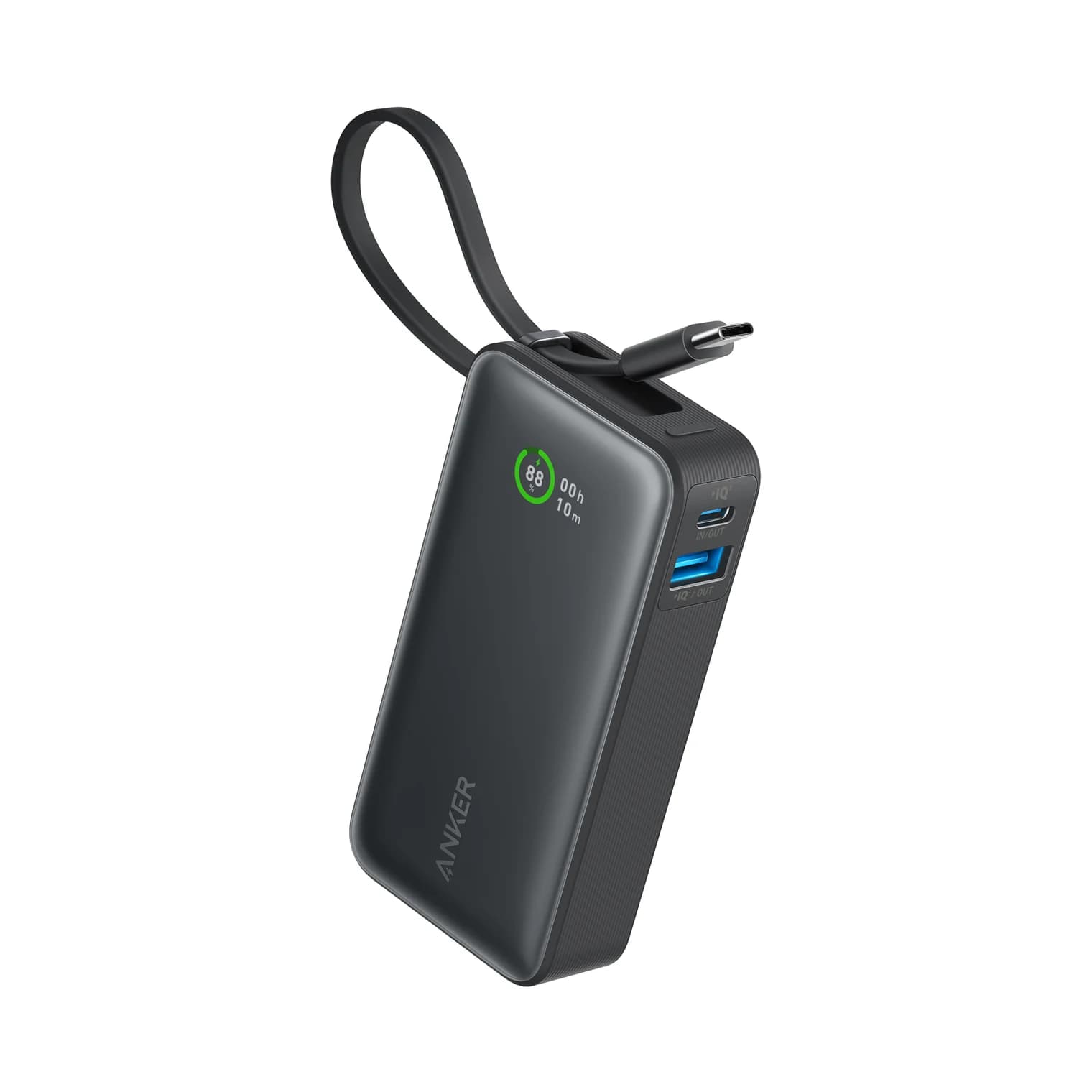
Anker Zolo 10K vs Nano 10K: compare built-in cable length, 30W charging, shared output, refill speed and the complete kit, from the makers' own documents.
Updated November 5, 2026Read
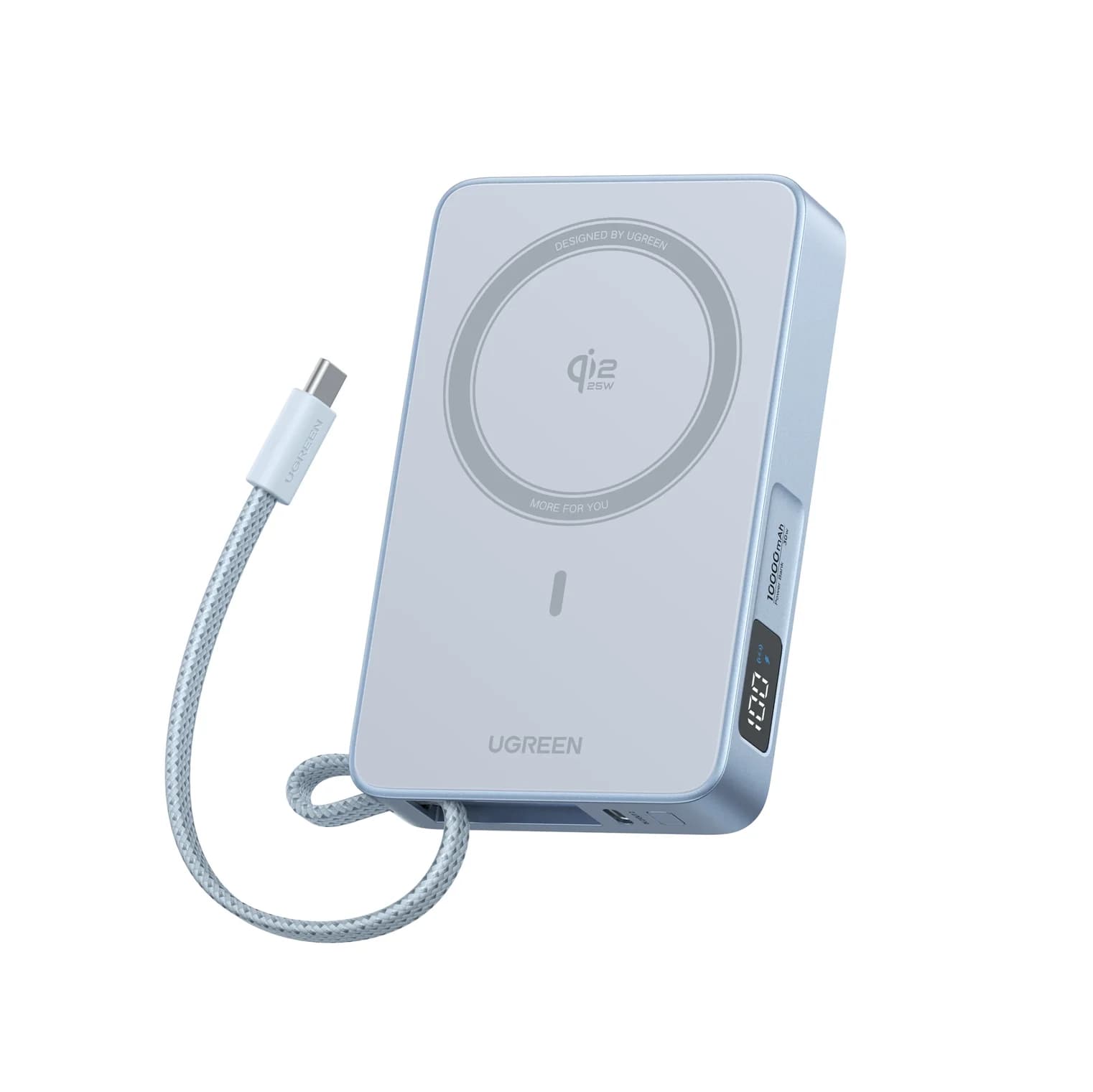
Anker Nano MagGo Slim 5K vs UGREEN MagFlow 10K: Which Magnetic Power Bank?
The Anker MagGo Slim 5K is the 8.6 mm pocket card; the UGREEN MagFlow 10K adds Qi2 25W and a built-in cable. Exact specs, phone fit and honest capacity.
Updated November 5, 2026Read